
AI images are everywhere in fashion now. Brands use them for product pages, ads, and social media. They're quick and cheap compared to a real photoshoot.
But there are real problems. They don't show up right away — they build up over time and start hurting customer trust, driving returns, and damaging the brand.
Why Many AI Fashion Images Look Fake
Most AI fashion images today look polished on the surface but lack real detail. Fabrics often look smooth and shiny instead of textured. The material does not show its true weight or weave. Small design elements like stitching, seams, and folds are often unclear or missing.
Models also look unnatural. Skin appears overly smooth or glossy, which does not look real. This is a common issue with random AI generated fashion images, and customers are becoming very good at noticing it.
Customers Can Easily Spot AI Generated Images
People today are very familiar with AI visuals. They can quickly tell when an image is AI-generated by looking at the skin, fabric, and overall feel of the image.
Repeated faces, similar poses, and unrealistic lighting make the image feel low effort. Even if the product itself is good, the image reduces trust. This is why fake-looking AI fashion images can harm a brand instead of helping it.
The Real Problem Starts After the Purchase
AI images may attract attention at first. They may increase clicks and engagement. But the real impact appears after the customer receives the product.
Often, the garment does not look or feel the same as shown in the image. Fabric texture feels different. Details are missing. The fit and fall do not match expectations.
When the product looks nothing like the image, customers return it. That's the real cost of low-quality AI images.
Input Garment Image
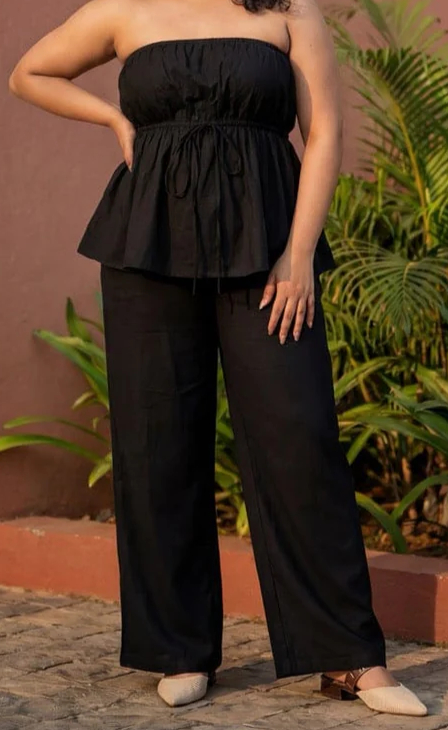
This is the original garment image provided as input. Any AI-generated output should stay true to this fabric, design, and structure without adding or removing details.
Random AI vs Twiink AI Image
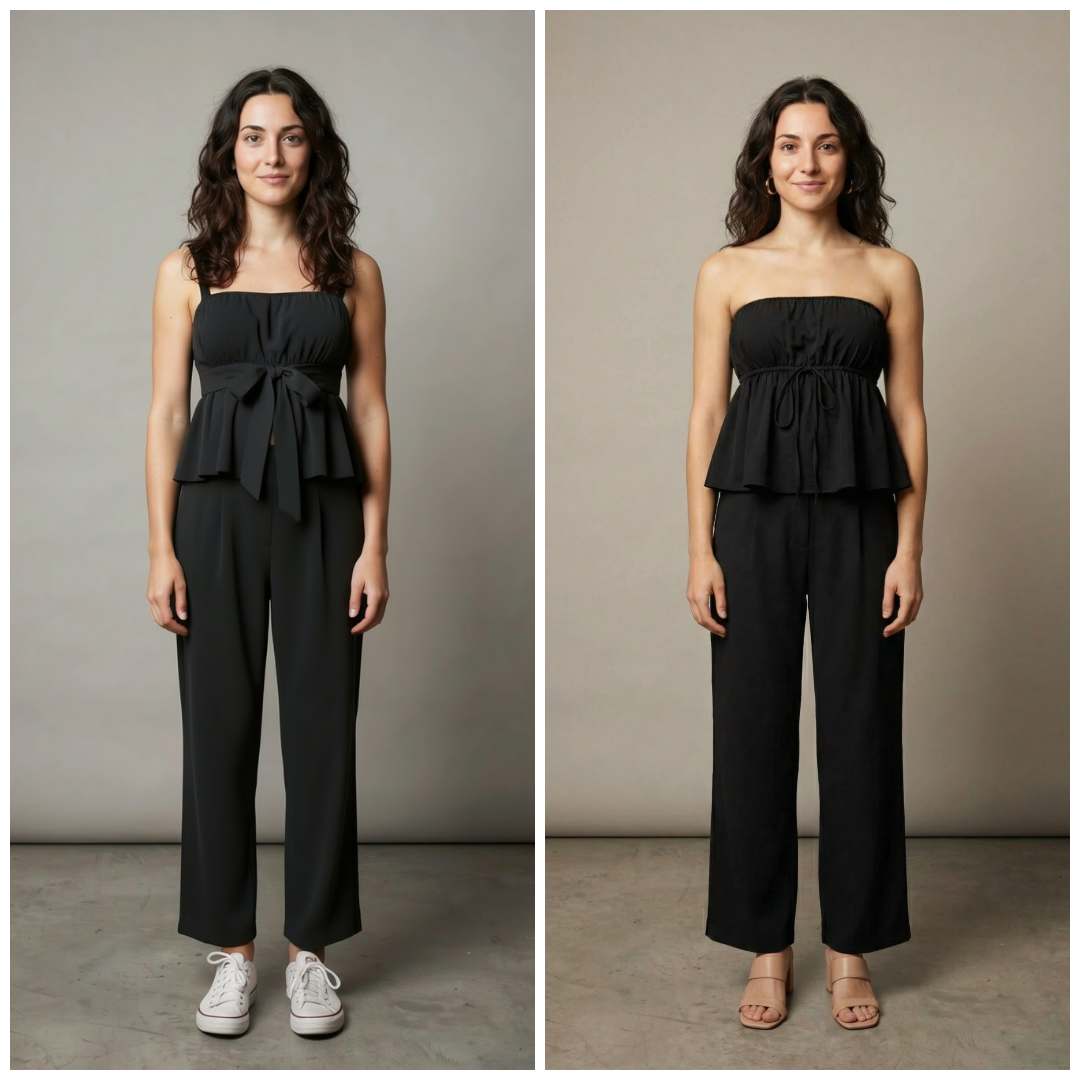
In the collage above, the left side shows a random AI-generated fashion image. The right side shows a Twiink AI-generated image.
Random AI (Left Side)
- Fabric looks fake and lacks real texture
- Skin texture looks artificial and glossy
- Material does not hold up when zoomed
- Important details are missing
- AI assumes design elements not in original
Twiink AI (Right Side)
- Fabric texture is clearly visible
- Skin looks natural and realistic
- Image holds up well when zoomed
- Garment details are accurate
- Retains original fabric, structure, and detailing
This difference becomes very clear when both images are viewed side by side.
How This Impacts Fashion Brands
The damage caused by low-quality AI images does not happen overnight. Over time, customers lose confidence in the visuals. Engagement drops, returns increase, and brand trust slowly erodes.
This is how AI generated images are harming fashion brands today.
Smaller brands feel this impact faster, but even established brands face long-term consequences.
AI Is Not the Problem
AI itself is not bad. The problem is using it carelessly.
When AI ignores fabric texture, design accuracy, and realism, it sets false expectations. The image should show the product honestly — not make it look better than it is.
How Twiink Uses AI Differently
Twiink uses AI with a strong focus on realism and accuracy. The goal is not to create flashy images but to show the garment as it truly is.
With Twiink, fabric texture is preserved, designs stay accurate, skin looks natural, and garments look wearable. The output images are intentionally difficult to identify as AI-generated, which helps brands build trust with customers.
Creative Images Without Losing Trust
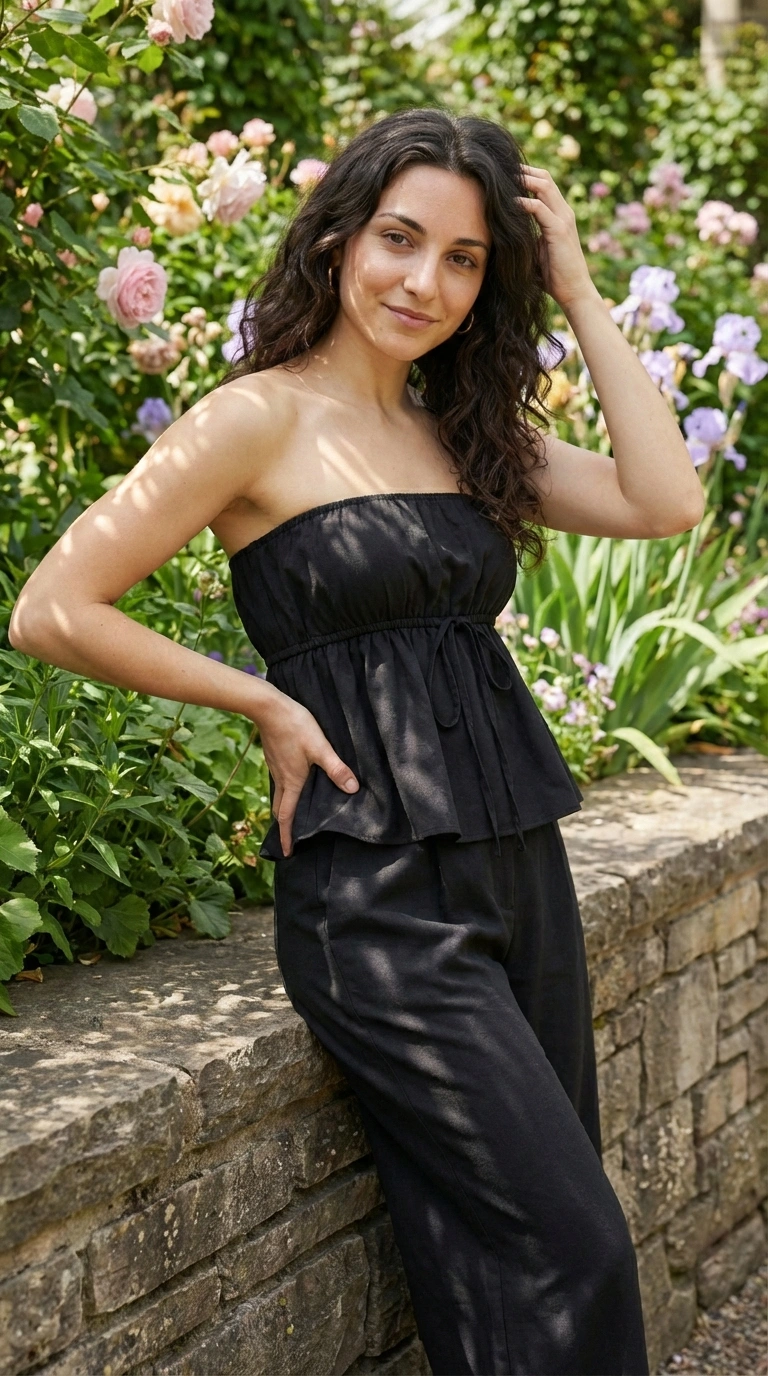
Twiink also supports creative content for platforms like Instagram. Brands can generate visually appealing images without compromising on fabric truth or product accuracy.
This allows brands to stay creative, improve engagement, and still remain honest with their customers.
Final Thought
AI can help fashion brands — if it's used honestly. Show the garment as it really is. That's how you build trust instead of eroding it.
That's what Twiink is built on.
Ready to Create Realistic Fashion Images?
Share your email or Instagram handle and we'll send you a personalized demo.
We'll reply personally with ideas for your brand.
Ready to cut your shoot costs by 90%?
Generate studio-quality on-model images in minutes — no models, no studio, no waiting.
Related Articles

How to Generate On-Model Images for Your Clothing Line with AI
6-step workflow from flat-lay to marketplace-ready on-model image. Quality expectations by garment type and specs.

AI Fashion Photography That Converts: A Brand-Safe, ROI-Proven Playbook for 2026
ROI case studies, legal and ethical use, platform guides for Shopify, Instagram, and Amazon — and how to run an 8-step pilot.

How AI Is Helping Small Fashion Brands Drive Engagement and Increase Sales
Discover how AI adoption in fashion is helping small brands create engaging content and convert engagement into sales.

